
John Rollinson, DEu, CST-D
Restore. Balance. Thrive.
Reclaiming the freedom to live well.
CST and my approach
A dramatic shift in my treatment approach over the past ten years has been tapping into the individual destiny of the inmost human being – casting the therapeutic wheel towards the victory of freedom over determinism.
Over the past decade, my work has evolved beyond treating symptoms toward supporting the whole person. Through gentle, non-invasive Craniosacral Therapy, I work with the body’s innate intelligence, creating the conditions for healing rather than imposing change.
The body holds patterns of tension and protection formed through injury, stress, and life experience. When given the right environment, these patterns can gently soften, allowing the nervous system to find greater balance, resilience, and ease. Healing unfolds naturally, without force.
I work with people of all ages, honouring each person’s unique story and trusting their inherent capacity for growth, self-regulation, and transformation. Every session is guided by listening rather than protocol, supporting not only physical well-being but also a deeper sense of presence, wholeness, and connection.
At the heart of my work is a simple question:
Not “What is wrong with this person?” but “What within this person is seeking expression, balance, and freedom?”
I dive more deeply into my process here: click to read more
What Is CranioSacral Therapy?
Gentle, effective, and patient-centered, CranioSacral Therapy (CST) is a well-established treatment method designed to enhance the functioning of the craniosacral system. This vital system consists of the membranes and fluid that surround, protect, and nourish the brain and spinal cord. It extends from the bones of the head, face, and mouth to the sacrum, or tailbone.
Because the craniosacral system directly influences the central nervous system, imbalances within it may contribute to a variety of sensory, motor, and neurological problems. These may include chronic pain, impaired motor coordination, visual difficulties, learning disabilities, and other health challenges.
CranioSacral Therapy supports the body’s ability to recognize and release restrictions or tension, particularly within the central nervous system. Without pain or discomfort, the therapist facilitates the release of patterns that limit vitality, enhancing the body’s natural capacity for self-repair. The results can be life-changing.
CranioSacral Therapy was pioneered and developed by osteopathic physician Dr. John E. Upledger following extensive scientific studies conducted at Michigan State University from 1975 to 1983, where he served as a clinical researcher and Professor of Biomechanics. His work built upon the discoveries of Dr. William Sutherland, who first identified the wave-like movements of the craniosacral system. These subtle rhythms can be felt throughout the body and are closely linked with physical and emotional health.
How Does CranioSacral Therapy Work?
CranioSacral Therapy is performed with the client fully clothed. Using a light touch—generally no greater than the weight of a nickel—the therapist monitors the rhythm of the craniosacral system to identify areas of restriction and imbalance. To help release these restrictions, the therapist gently works with the membranes surrounding the brain and spinal cord. Although these membranes cannot be directly accessed from outside the body, they are attached to the bones of the cranium and the inner surface of the sacrum, allowing the therapist to influence the membranes indirectly through these structures.
In a typical CranioSacral Therapy session, lasting anywhere from 15 minutes to over an hour, the first thing many people notice is a deep sense of relaxation. As restrictions are released and the body begins to return to optimal functioning, a variety of other sensations may arise. Because memories of trauma and injury are often held within the connective tissues of the body, the release process may sometimes be accompanied by emotions or memories associated with the original source of the restriction. When this occurs, therapist and client work together to allow these memories and feelings to be expressed, often reducing or eliminating dysfunction in the affected area.
CST can dramatically enhance wellness and vitality while addressing physical discomfort, acute and chronic illness, and emotional or psychological disturbances. Sometimes the benefits are not immediately apparent but become more noticeable over time. Because CST supports the body’s innate healing processes, it is not uncommon for improvement to continue for weeks after a session. The work may involve the resolution of past events and is often deeply moving, profoundly refreshing, and exhilarating.
What Is SomatoEmotional Release® (SER)?
SomatoEmotional Release® is the release of emotional energy held within the body. When emotions cannot be expressed or released at the time they arise, or when a traumatic experience is accompanied by intense emotions, those emotions may become trapped within the body’s tissues. SER is the process of discovering, releasing, or redirecting that emotional energy. It is not psychotherapy but
The origins of SER emerged when Dr. Upledger was attempting to decompress the temporal bones of autistic children. Their limbs, and eventually their whole bodies, began to move spontaneously and involuntarily. Without the continued support and guidance of the therapist, the movements would stop, as though the touch provided the necessary support for the body’s movement process. As the movements reached their endpoints and were held there, releases occurred throughout the body. The children often entered a total-body release involving crying, and expressions of fear, anger, or frustration. Following a series of sessions, many of these children began to demonstrate increased affection and sociability.
A SER process begins during a CST session when the patients body, usually unconsciously, gives permission or enters into an agreement with the therapist. Through touch, the therapist communicates that permission back to the patient. Whether consciously aware of it or not, the patient understands that an opportunity for a SER process is present.
The therapist’s touch - whether supporting a limb, offering energy to the body at an energy cyst site, or engaging in dialogue - facilitates the release process. If the process begins, it is because the necessary trust exists within the therapist-patient team. The patient’s body trusts the therapist’s skill, sincerity, and ability to accompany them wherever the process may lead. It is remarkable how accurate and wisdom-filled this innate, unconscious assessment can be. The patient may test the therapist or simply present the process that is most appropriate for that particular session. Knowing this allows the therapist to trust that the patient’s body will not present something beyond what either therapist or patient can handle.
When an SER process begins, movement often follows. If a limb or limbs are being supported, large movements may occur, and the whole body may enter into various movement patterns. Even when the therapist’s hands are resting quietly on the body, subtle movements or signs of release may be detected within an otherwise still body. Sometimes what is felt is as subtle as emotion leaving the tissues, with no outward signs.
If SER is viewed as a form of “body psychotherapy,” then the body’s movements may be understood as analogous to the verbal expressions found in traditional psychotherapy.
As energy is discharged, the patient may re-experience the emotional component of that energy and the event that originally placed it into the tissues. Dr. Upledger observed that organs, tissues, and individual cells possess memory, emotional capacity, and intellect. The release of retained emotion and pain often passes through the patient’s conscious awareness either during the SER experience itself or within 24 to 48 hours afterward. This concept of tissue memory forms the basis of SER work.
Recognizing that the SER process occurs only when appropriate and cannot be forced, its clinical applications may extend to a wide range of emotional concerns, including anxiety, stress, depression, PTSD, mood swings, and nervousness, as well as certain psychiatric conditions and physical complaints. These issues may improve when underlying emotional and spiritual factors are addressed and trapped energy is released from the body.
For example, acid reflux may resolve when fear associated with a particular area of the body is identified and released. Similarly, a sprained foot sustained after a divorce may only begin to heal once the grief held within the body is recognized, expressed, and released.
In some cases, it may be beneficial for several therapists to work together during the SER process. When done appropriately, this collaborative approach can enhance the therapeutic experience. It is important that all members of the team remain attuned to both the patient and the lead therapist. The collective presence, energy, and intuitive awareness of the team may deepen the process and further strengthen the patient’s sense of empowerment.
Ready to begin your healing journey? Contact John today to schedule a consultation.
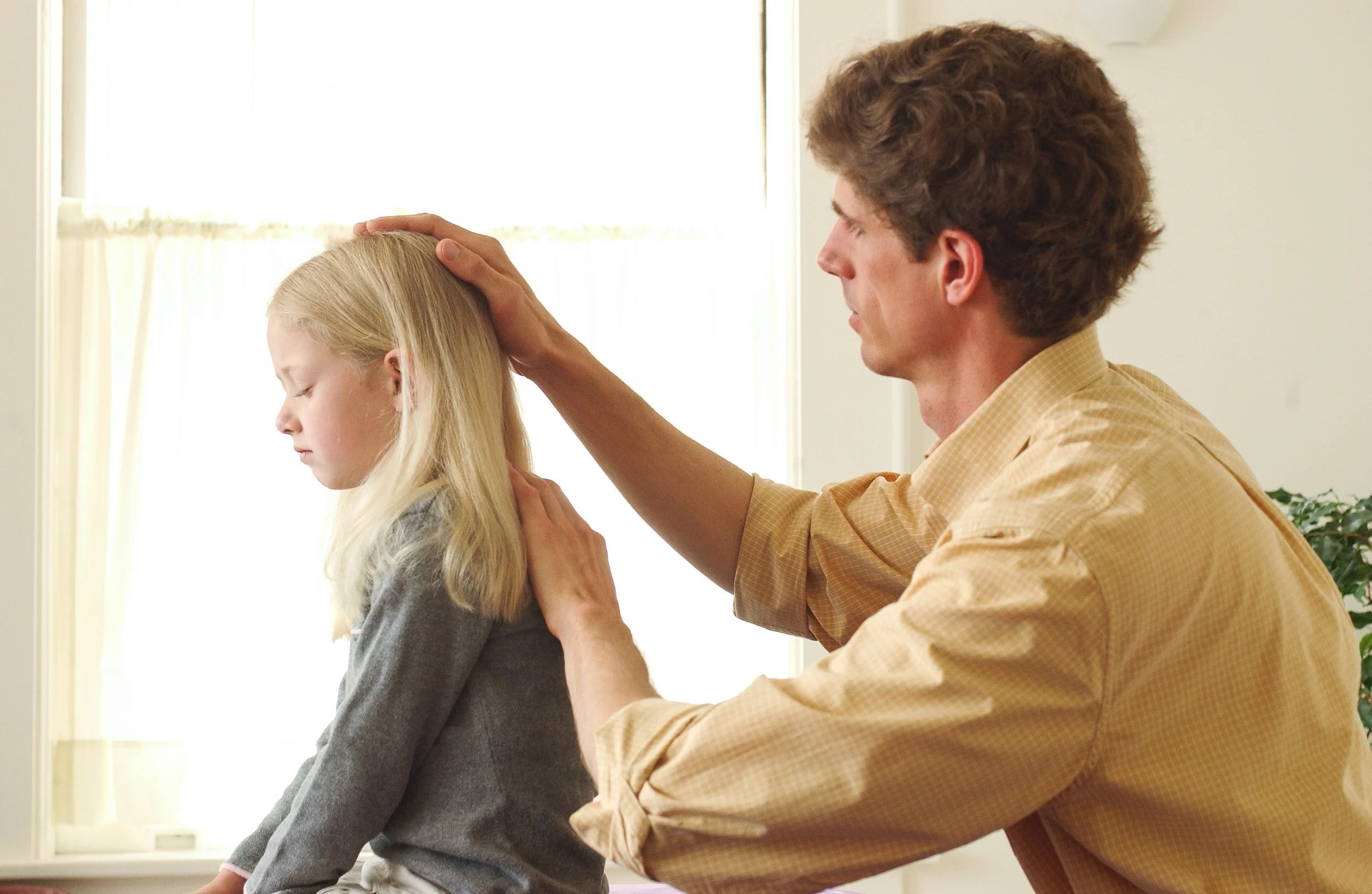
Conditions treated
Anxiety
Depression
Post-traumatic stress disorder (PTSD)
Other stress-related conditions
Musculoskeletal pain and dysfunction
Neck pain
Back pain
Joint pain and dysfunction
Chronic pain
Movement restrictions
Sleep disorders
Headaches
Pediatric concerns
Learning challenges
Emotional challenges in children
Asthma
Breathing issues
Dizziness
Tinnitus
Recovery from injuries
Recovery from motor vehicle accidents (MVAs)